Home>>
Products
Soya lecithin/ Soy lecithin CAS 8002-43-5 (food grade, 60% liquid 99% powder)
-
CAS No.:
8002-43-5 -
Molecular Formula:
C12H24NO7P -
Quality Standard:
Powder and liquid -
Packing:
25kg/bag, or 200kg/drum -
Mininmum Order:
25kg -
Price Update:
Soy lecithin price -
Market:
Soy lecithin factory supplier
*If you want to download the TDS and MSDS(SDS) , please click here to view or download online.
CAS 8002-43-5 corresponds to phospholipids (mainly from soybean sources), which are a naturally occurring mixture of phospholipids with phosphatidylcholine as the core component. They are widely used as food emulsifiers, nutritional enhancers, and cosmetic ingredients.
Basic Information
-Chinese name: Phosphatidylcholine (commonly known as soybean lecithin)
-English name: Lecithin (Soybean Lecithin)
-Main ingredients: a mixture of phosphatidylcholine (PC) and other phospholipids (such as phosphatidylethanolamine, etc.)
-Molecular formula: usually expressed as C ₄₂ H ₈₀ NO ₈ P (specific composition may vary due to different sources and purities)
-Molecular weight: approximately 758.06 (depending on the specific acyl chain length)
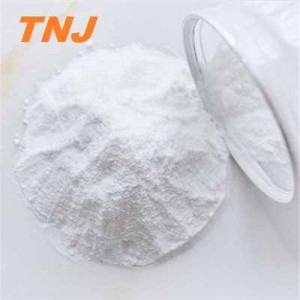
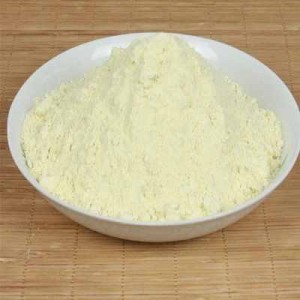
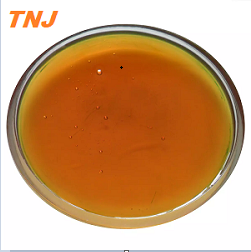
-Appearance: A viscous liquid, granule, or powder ranging from light yellow to brown in color (appearing as a light yellow powder after oil removal), with a distinctive bean like odor
-Solubility: insoluble in water (can be dispersed into emulsion), soluble in organic solvents such as ethanol, ether, chloroform, etc., difficult to dissolve in acetone and cold petroleum ether
-Stability: Easy to absorb moisture, oxidize and change color. It should be stored in a cool and dry place away from light, sealed, and kept away from light (recommended to store at 2-8 ℃ or room temperature away from light)
Main sources and preparation
-Source: Mainly extracted from by-products of soybean oil refining (oil residue), but can also come from egg yolks, sunflower seeds, etc; CAS 8002-43-5 often refers to soy lecithin in industrial and regulatory contexts.
-Preparation: Through physical refining such as dissolution, degumming, decolorization, deodorization, or modification through enzymatic hydrolysis process (enzymatic hydrolysis of soybean phospholipids still uses this CAS number).
Core purpose
1. Food industry: emulsifiers, dispersants, antioxidant additives, used in chocolate, baked goods, dairy products, beverages, infant formula, etc.
2. Health food/nutritional supplements: As a source of choline and essential fatty acids, they claim to assist lipid metabolism and promote liver health (note: specific therapeutic effects require evidence-based support).
3. Cosmetics: emulsifier, skin conditioner, solubilizer, used for lotion, face cream and other products.
4. Pharmaceutical/scientific research: liposome raw materials, drug carriers, cell culture additives; Some preparations are used as adjunctive therapy for fatty liver and other conditions (specific approval is required for drugs).
Safety and Regulations
-Safety: Generally considered safe (GRAS), non hazardous chemicals; But it is prone to oxidation and deterioration, and requires standardized storage.
-Chinese regulations: When used as a food additive (emulsifier), the implementation standards include GB 30607-2014 “National Food Safety Standard for Food Additives – Enzymatic Hydrolyzed Soybean Phospholipids”, etc., and it should be used in moderation according to production needs.
Note: “Phosphatidylcholine” broadly refers to a class of substances, and narrowly refers to phosphatidylcholine; CAS 8002-43-5 is a universal identifier for soy lecithin mixtures in commercial and regulatory contexts, and is not the only precise CAS for a single pure compound (pure phosphatidylcholine has different specific CAS). Different purities, sources, or modified products may share this number, and specifications should be considered when purchasing.
Send your message to this supplier
Products :
Soya lecithin/ Soy lecithin CAS 8002-43-5 (food grade, 60% liquid 99% powder)Write your message here and send it to us