Home>>
Products
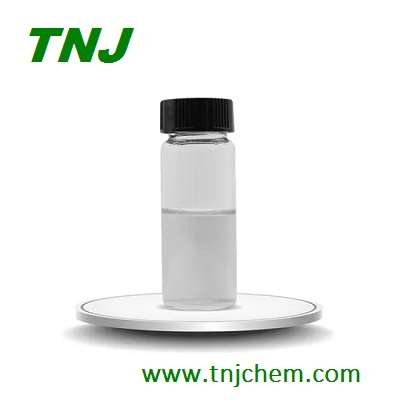
Dihydromyrcenol CAS 53219-21-9
-
CAS No.:
53219-21-9 -
Molecular Formula:
C10H20O -
Quality Standard:
99.5%min. -
Packing:
200kg/drum or as per request -
Mininmum Order:
Depends on your requirement -
Price Update:
-
Market:
*If you want to download the TDS and MSDS(SDS) , please click here to view or download online.
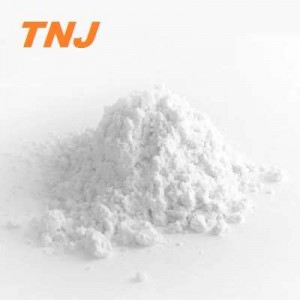
CAS 53219-21-9, corresponding to Dihydromyrcenol, is an important synthetic terpene alcohol flavor with strong white lemon and cologne like fresh fragrance, which is widely used in the formulation of daily chemical essence.
Core Information
-Chinese name: Dihydrolaurenol
-English name: Dihydromyrcenol
-Molecular formula: C ₁₀ H ₂₀ O
-Molecular weight: 156.27 g/mol
-IUPAC name: 2,6-dimethyl-7-octen-2-ol
-Appearance: Colorless to slightly yellow viscous liquid
-Aroma characteristics: Sweet and powerful, with fresh citrus, white lemon, cologne, and a light floral/spicy aroma
-Main uses: to mix white lemon, cologne, citrus, lily of the valley/lilac and other floral essence; It is more stable than natural white lemon oil in soap/detergent essence
Physicochemical properties
-Density: 0.830-0.837 g/cm ³ (25 ° C)
-Refractive index (n ² ⁰ D): 1.439-1.443
-Boiling point: 77-79 ° C/1.33 kPa (approximately 217.6 ° C @ 760 mmHg)
-Flash point: 74-79 ° C (closed cup)
-Solubility: insoluble in water; Dissolve in ethanol (4-6 volumes of 55% ethanol or 1-2 volumes of 70% ethanol) and oil-based flavorings
-Stability: Stable at room temperature, sealed and stored away from light; Good aroma persistence in alkaline soap base
Application and dosage
1. perfume/light essence: dosage 0.1% – 0.5%, providing a sense of freshness and diffusion, coordinating citrus and fragrance
2. Soap/detergent: The dosage can reach 3% -5% (some sources mention up to 20%), giving a stable white lemon aroma
3. Floral base modification: enhances the “fresh top fragrance” effect of floral scents such as lily of the valley and hyacinth
Safety and Compliance
-GHS classification: Warning (H315 skin irritation, H319 severe eye irritation)
-Acute toxicity: Oral LD ₅₀ ≈ 3.6 g/kg in rats; Rabbit transcutaneous LD ₅₀>5 g/kg
-Regulatory status: Listed in TSCA directory; Non edible spices (not approved by FEMA GRAS for use in food)
Preparation Overview
In industry, dihydrolaurene is used as raw material and produced through chlorination hydrolysis or esterification saponification routes; Dihydrolaurene can be obtained by pyrolysis or selective hydrogenation of α/β – pinene after hydrogenation.
Send your message to this supplier
Products :
Dihydromyrcenol CAS 53219-21-9Write your message here and send it to us
![[CAS 98-56-6] 4-Chlorobenzotrifluoride PCBTF | Assay 99.5%+](https://www.tnjchina.com/uploads/p-Chlorobenzotrifluoride-PCBTF-CAS-98-56-6-300x300.jpg)