
- Getting started
- CAS 1126-74-5,Buy 3-(3-Pyridyl)acrylic acid, C8H6NO2,3-(3-Pyridyl)acrylic acid price, 3-(3-Pyridyl)acrylic acid suppliers, 3-(3-Pyridyl)acrylic acid factory, 3-(3-Pyridyl)acrylic acid manufacturers
Quality 3-(3-Pyridyl)acrylic Acid Suppliers and Manufacturers in China
As a B2B purchaser, I know how crucial it is to find quality materials for our projects. That's why I consider 3-(3-Pyridyl)acrylic acid, with CAS 1126-74-5, an excellent choice. This compound, with the chemical formula C8H6NO2, offers impressive versatility in various applications, from pharmaceuticals to agricultural products. When I searched for manufacturers, I noticed many suppliers in China offering competitive pricing for this compound. The price for 3-(3-Pyridyl)acrylic acid is often negotiable, allowing us to maintain our budget without compromising on quality. Working with reliable suppliers is key, and I've found several reputable factories that specialize in producing this acid, ensuring we receive products that meet our standards. If you’re in the market for 3-(3-Pyridyl)acrylic acid, I can confirm, connecting with trustworthy manufacturers is essential to secure the best outcomes for our needs.
![Cucurbit[8]uril CAS 259886-51-6](https://www.tnjchina.com/uploads/hefei-tnj-chemical1037.png)
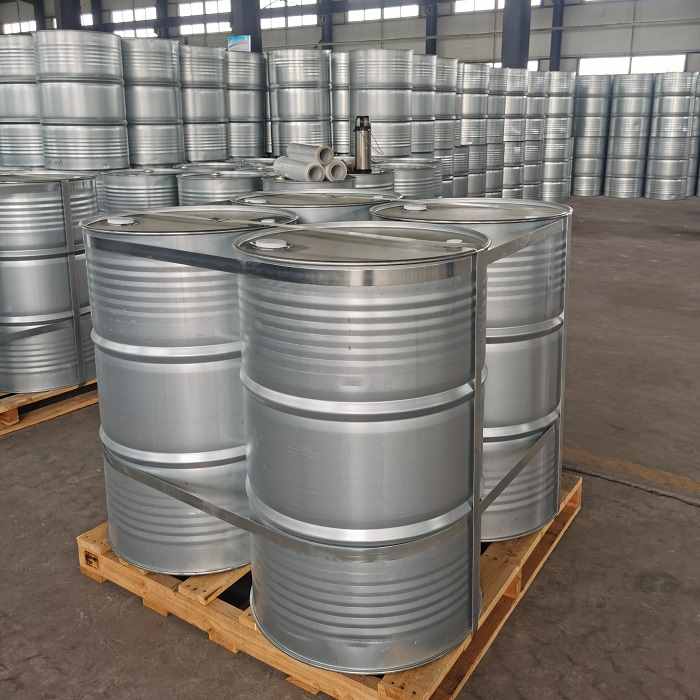
CAS 1126-74-5,Buy 3-(3-Pyridyl)acrylic acid, C8H6NO2,3-(3-Pyridyl)acrylic acid price, 3-(3-Pyridyl)acrylic acid suppliers, 3-(3-Pyridyl)acrylic acid factory, 3-(3-Pyridyl)acrylic acid manufacturers Application Industry Giant
3-(3-Pyridyl)acrylic acid, with the CAS number 1126-74-5, has gained significant attention in various industries due to its versatile applications. This organic compound, characterized by its molecular formula C8H6NO2, is increasingly used in the production of agrochemicals, pharmaceuticals, and specialty polymers. As the demand for high-quality raw materials rises globally, sourcing reliable suppliers becomes crucial for businesses aiming to maintain competitive advantages in their respective markets. When considering procurement options for 3-(3-Pyridyl)acrylic acid, it's essential to evaluate suppliers based on their manufacturing capabilities, quality assurance practices, and product pricing. Leading manufacturers in this sector not only offer competitive rates but also adhere to stringent safety and quality standards, ensuring that the chemical meets industry specifications. By collaborating with established suppliers, companies can optimize their production processes and enhance the performance of their end products. Furthermore, as industries continue to innovate and expand, the role of 3-(3-Pyridyl)acrylic acid in research and development is becoming increasingly pronounced. Businesses interested in sustainable practices can leverage this compound's properties to create more efficient and environmentally friendly products. Engaging with reputable manufacturers can therefore drive innovation while ensuring a steady supply of high-quality materials tailored to specific application needs.
3-(3-Pyridyl)acrylic acid Information
| Property | Details |
|---|---|
| CAS Number | 1126-74-5 |
| Molecular Formula | C8H6NO2 |
| Molecular Weight | 150.14 g/mol |
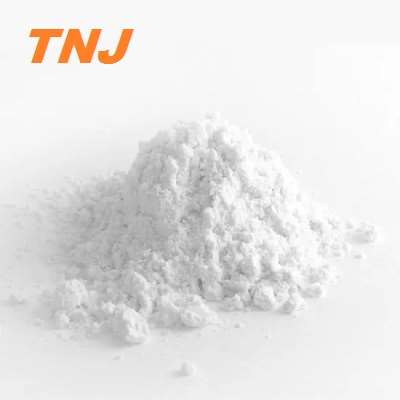
| Appearance | White to light yellow crystalline powder |
| Solubility | Soluble in water and organic solvents |
| Storage Conditions | Store in a cool, dry place away from sunlight |
| Application | Used in pharmaceuticals and agrochemicals |
Related Products
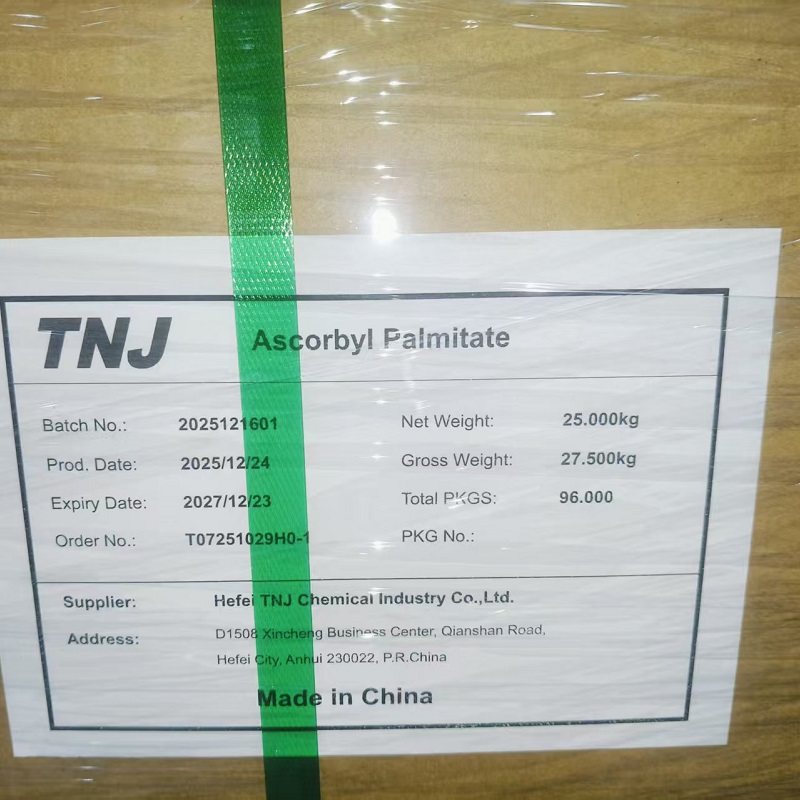
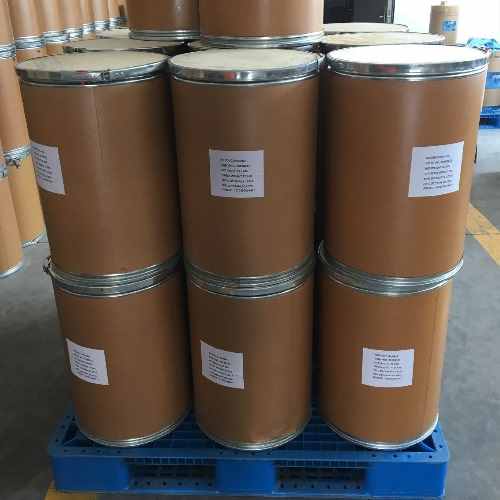

CAS 1126-74-5,Buy 3-(3-Pyridyl)acrylic acid, C8H6NO2,3-(3-Pyridyl)acrylic acid price, 3-(3-Pyridyl)acrylic acid suppliers, 3-(3-Pyridyl)acrylic acid factory, 3-(3-Pyridyl)acrylic acid manufacturers Products Your End-to-End Solution
Top Selling Products
- Related Blog
- Reviews
