
L(+)-Tartaric Acid (BP2000) Manufacturer in China | CAS 87-69-4
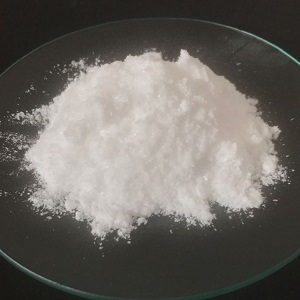
As a leading manufacturer in China, I’m excited to offer L(+)-Tartaric Acid (BP2000), CAS 87-69-4, also known as L(+)-Dihydroxysuccinic acid. This high-quality product is essential for various industries, including food and beverage, pharmaceuticals, and cosmetics. Its unique properties make it a versatile ingredient for stabilizing and enhancing product formulations. Our L(+)-Tartaric Acid is meticulously produced to meet stringent standards, ensuring consistent purity and effectiveness. Whether you’re looking to improve the texture of your products or add a natural acidulant for flavor enhancement, I can help. With reliable sourcing directly from our manufacturing facility in China, you can trust that we’re committed to delivering exceptional quality and service. If you are interested, I can provide samples for your evaluation, as well as detailed specifications to help you make informed purchasing decisions. Let’s collaborate to enhance your products with our premium L(+)-Tartaric Acid!
![1-[(Benzyloxy)carbonyl]piperidine-4-carboxylic acid CAS 10314-98-4](https://www.tnjchina.com/uploads/1-Benzyloxycarbonylpiperidine-4-carboxylic-acid-CAS-10314-98-4.jpg)
L(+)-Tartaric Acid (BP2000); CAS 87-69-4; L(+)-Dihydroxysuccinic acid Manufacturer Products
L(+)-Tartaric Acid, a naturally occurring organic acid, is widely known for its applications in the food, pharmaceutical, and chemical industries. With its excellent chelating properties, it plays a crucial role as a stabilizing agent in various formulations. As a key ingredient in cream of tartar, it enhances the taste and texture of baked goods while acting as an acidulant. For manufacturers looking to improve product quality, this compound serves as an essential component in winemaking, enabling optimal tartness and flavor balance. Beyond its culinary advantages, L(+)-Tartaric Acid has found its place in pharmaceuticals as a pivotal component for creating complex formulations. Its ability to form salts with active pharmaceutical ingredients facilitates enhanced solubility and bioavailability. As global demand continues to rise, sourcing high-quality L(+)-Tartaric Acid becomes imperative for industry stakeholders. Buyers can benefit from understanding the stringent production processes that ensure purity and compliance with various international standards. In addition to its established uses, L(+)-Dihydroxysuccinic acid, a derivative of L(+)-Tartaric Acid, showcases promising potential in advanced applications such as biodegradable plastics and green chemistry initiatives. As sustainability becomes a priority, firms venturing into innovative fields can leverage the unique properties of these compounds. By choosing reliable suppliers, businesses can ensure the consistent quality and supply of these vital ingredients to meet the ever-evolving market demands.
L(+)-Tartaric Acid (BP2000); CAS 87-69-4; L(+)-Dihydroxysuccinic Acid Manufacturer Products
| Property | Details |
|---|---|
| Chemical Name | L(+)-Tartaric Acid |
| CAS Number | 87-69-4 |
| Molecular Formula | C4H6O6 |
| Molecular Weight | 150.09 g/mol |
| Appearance | White crystalline powder |
| Solubility | Soluble in water, ethanol |
| pH (1% solution) | 3.5 - 4.5 |
| Uses | Food additive, pharmaceutical, buffer solution |
| Storage Conditions | Store in a cool, dry place |
Related Products

L(+)-Tartaric Acid (BP2000); CAS 87-69-4; L(+)-Dihydroxysuccinic acid Delivers Unmatched Quality Guarantees Peak Performance
Top Selling Products
- Related Blog
- Reviews
