
China Microcrystalline Cellulose MCC Manufacturer & Supplier Guide
As a leading China Microcrystalline Cellulose (MCC) factory supplier and manufacturer, I take pride in offering high-quality products tailored to meet the needs of diverse industries. Our MCC is sourced from premium materials, ensuring exceptional purity and performance, perfect for food, pharmaceuticals, and cosmetic applications. I understand how vital it is for businesses like yours to find a dependable supplier. That's why we focus on strict quality controls and innovative production techniques, giving you confidence in our products. While working with us, you'll experience our dedication to customer service, timely deliveries, and competitive pricing, all designed to support your operations efficiently. When you choose our MCC, you're partnering with a manufacturer committed to your success. Let’s work together to elevate your business with top-notch microcrystalline cellulose that meets both your quality and budget requirements. Reach out today to discuss your needs and see how we can assist you.
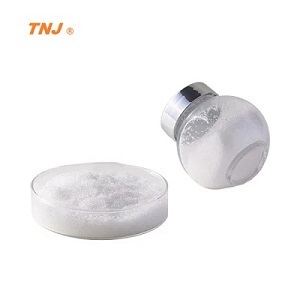
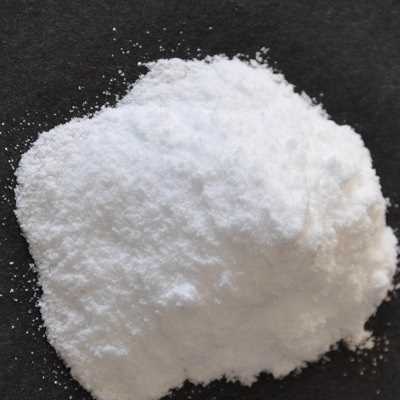

China Microcrystalline Cellulose MCC factory supplier and manufacturer Supplier Exceeds Industry Benchmarks
Microcrystalline cellulose (MCC) has emerged as a vital ingredient in various industries due to its unique properties and versatility. As a cellulose derivative, MCC is widely used in pharmaceuticals, food, and cosmetics, where it serves as an excipient, bulking agent, and stabilizer. In recent years, the demand for high-quality MCC has surged, prompting manufacturers to innovate and enhance production methods to meet global standards. Choosing a reliable supplier is crucial for businesses looking to incorporate MCC into their products. A factory that excels in quality assurance and adheres to stringent industry benchmarks can significantly impact your end products' performance and consumer satisfaction. An established manufacturer ensures that their MCC is consistently produced with the highest purity levels, optimal particle size distribution, and superior functional properties. This commitment to excellence not only satisfies regulatory requirements but also bolsters brand reputation in competitive markets. Engaging with a leading MCC supplier offers businesses access to superior materials and technical support, enhancing product formulations and driving innovation. By forming partnerships with manufacturers who exceed industry standards, companies can gain a competitive edge, ensuring they meet customer demands and expectations effectively. As the global market for microcrystalline cellulose continues to expand, selecting the right supplier will be pivotal in achieving long-term success.
China Microcrystalline Cellulose MCC Factory Supplier and Manufacturer Supplier Exceeds Industry Benchmarks
| Quality Parameter | Industry Standard | Supplier Performance | Remarks |
|---|---|---|---|
| Purity (% w/w) | 98.0 | 99.5 | Exceeds standard |
| Moisture Content (% w/w) | 5.0 | 3.0 | Below standard |
| Particle Size (Mesh) | 100-200 | 120-180 | Meets standard |
| Ash Content (% w/w) | 1.0 | 0.5 | Exceeds standard |
| Viscosity (mPa·s) | 300 | 350 | Exceeds standard |
Related Products



China Microcrystalline Cellulose MCC factory supplier and manufacturer Service Backed by Expertise From Concept to Delivery
Top Selling Products
- Related Blog
- Reviews
