Home>>
Products

Chlorpropham CAS 101-21-3
-
CAS No.:
101-21-3 -
Molecular Formula:
C9H12N2O -
Quality Standard:
99.5%min -
Packing:
25kg/drum or as per request -
Mininmum Order:
25kg -
Price Update:
-
Market:
*If you want to download the TDS and MSDS(SDS) , please click here to view or download online.
The corresponding substance of CAS 101-21-3 is Chlorpheniram, which is an amino ester plant growth regulator and selective herbicide. Its core use is to inhibit potato germination during storage and control annual weeds in various crop fields.
Basic Information
-Chinese name: Chlorpheniramine (alias: Chlorpheniramine, Diclofenae, CIPC, Potato Sprout Suppressor Powder)
-English name: Chloropropyl N – (3-chlorophenyl) carbamate
-Molecular formula: C ₁₀ H ₁₂ ClNO ₂; Molecular weight: 213.66
-EINECS number: 202-925-7
-Category: Pesticides/herbicides/plant growth regulators
Physicochemical properties
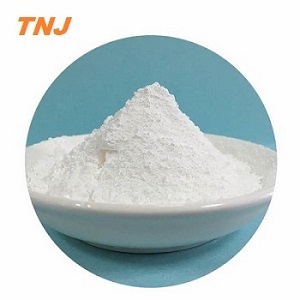
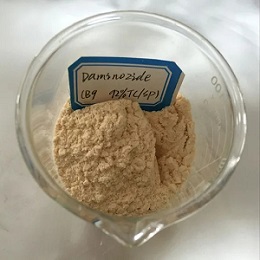
-Appearance: Pure products are colorless crystals, while industrial products often appear as light brown crystalline powders
-Melting point: 41.0~41.4 ℃; Boiling point: about 247 ℃
-Solubility: Very low solubility in water (89 mg/L at 25 ℃), easily soluble in organic solvents such as alcohols and aromatic hydrocarbons
-Stability: Stable below 100 ℃, slowly hydrolyzed in acidic or alkaline media; The half-life in soil decreases with increasing temperature (approximately 65 days at 15 ℃ and 30 days at 29 ℃)
Main purpose and mechanism of action
1. Potato Sprout Inhibition: After harvesting, wait for the wound to heal (about 14 days or more) and apply it to inhibit tuber germination through sublimation gas. It is widely used for storage and preservation.
2. herbicide: As a selective herbicide in the early stage before or after seedlings, it is used in crop fields such as wheat, corn, potatoes, sugar beets, etc. to prevent and control annual grasses and some broad-leaved weeds.
3. Mechanism: Interference with microtubule tissue inhibits cell mitosis, while also suppressing RNA/protein synthesis and oxidative phosphorylation processes.
Safety and Toxicity
-Acute toxicity: The oral LD of rats is about 1200-7500 mg/kg (data fluctuates due to purity/formulation differences), which belongs to low to moderate toxicity; No irritation to the skin, slight irritation to the eyes.
-Chronic risk: Some authoritative data indicate that it has suspected carcinogenicity (H351) and long-term aquatic toxicity (H411). No teratogenic mutations were found in long-term animal experiments, but standardized operation is required to avoid environmental emissions.
-Storage requirements: Store in a cool and ventilated place, sealed and away from sources of fire, acidic and alkaline substances, and food ingredients.
Send your message to this supplier
Products :
Chlorpropham CAS 101-21-3Write your message here and send it to us