
Competitive price offer of Zinc stearate CAS 557-05-1 China Manufacturer
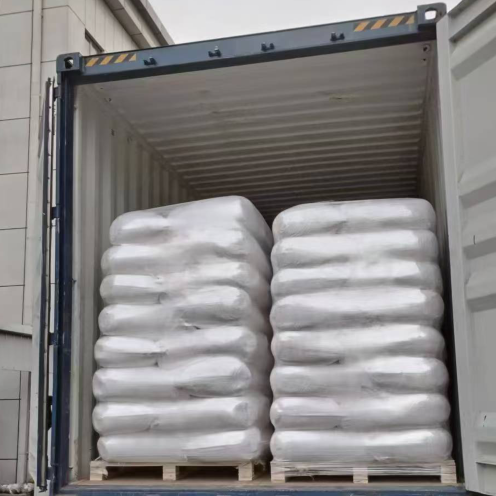
As a {China}-based {Manufacturer}, I proudly offer Zinc stearate CAS 557-05-1 with a steady supply and dependable quality. I know what B2B buyers expect: consistent grades, traceable batches, and clear pricing. {Competitive price offer of Zinc stearate CAS 557-05-1} is available to customers who need reliable lubricating and release properties for plastics, rubber, cosmetics, and coatings. My formulation options cover technical grade and cosmetic grade, with moisture control and fine or pasty particle sizes to fit equipment and processes. I provide flexible packaging (25 kg bags, pallets) and fast lead times, with certificates of analysis and compliance to REACH/ROHS as required. Based in China, I can tailor MOQ, shipping terms, and documentation to your regional requirements. Let me be your steady Zinc stearate source, balancing performance and cost while keeping your production running smoothly.
Competitive price offer of Zinc stearate CAS 557-05-1 Guarantees Peak Performance Outperforms the Competition
Zinc stearate CAS 557-05-1 is a versatile lubricant and release agent used across plastics, rubber, cosmetics, and coatings. A competitive price offer for high-purity zinc stearate can unlock peak processing performance—smoother extrusion, easier mold release, and improved end-product quality—while reducing overall production costs. Global buyers gain from reliable supply, stable quality, and favorable terms that keep projects on schedule. Key performance advantages include high purity, low moisture, uniform particle size, and excellent dispersion, yielding consistent slip, anti-blocking behavior, and better surface finish in polymers. With strong quality control and compliance to standards, this grade maintains performance across temperatures and moisture variations, often outpacing cheaper alternatives that compromise reliability. For global procurement, a dependable supplier should offer a steady supply chain, flexible packaging, transparent documentation, and scalable quantities. By combining competitive pricing with proven performance and responsive service, buyers can accelerate development cycles, reduce risk, and stay competitive in dynamic markets.
{ Competitive price offer of Zinc stearate CAS 557-05-1 Guarantees Peak Performance Outperforms the Competition}| Dimension | Specification | Notes |
|---|---|---|
| CAS No. | 557-05-1 | Chemical registry number |
| IUPAC name | Zinc distearate | Preferred IUPAC name |
| Synonyms | Zinc stearate; Zinc soap | Common alternative names |
| Formula | Zn(C18H35O2)2 | Molecular formula |
| Molecular weight | 631.3 g/mol | Calculated for di-stearate complex |
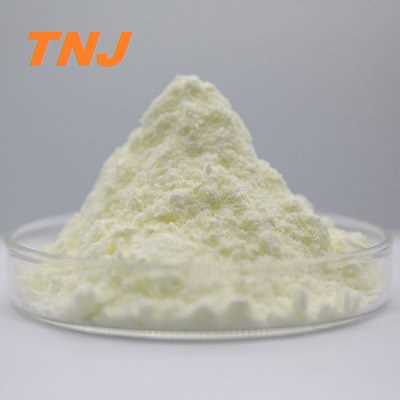
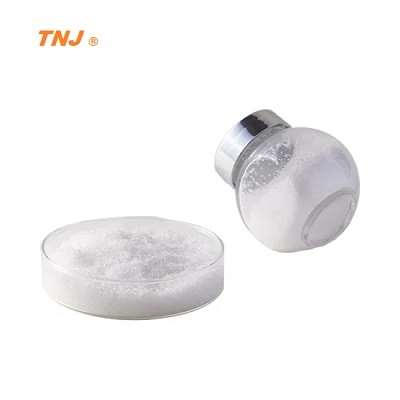
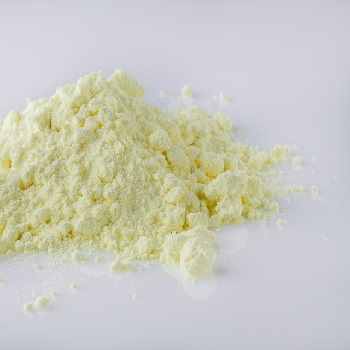
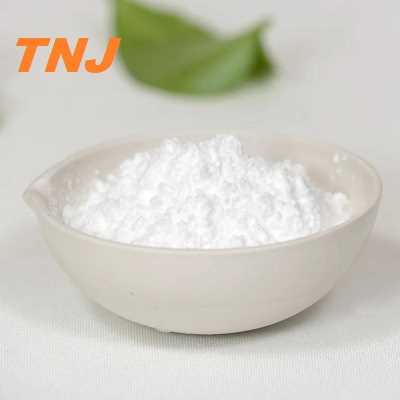
| Appearance | White to off-white powder | Physical form |
| Solubility | Insoluble in water; soluble in some organic solvents (alcohols, low-polar solvents) | Solubility profile |
| Melting/decomposition | Softening ~150–180°C; decomposes on heating | Thermal behavior |
| Zinc content | ≈10.4% w/w | Zinc basis |
| Purity | ≥99.0% (technical grade) | Specification level |
| Moisture | ≤0.5% | Water content |
| Typical particle size | D50 20–80 μm | Fineness range |
| Primary applications | Lubricant/release agent in plastics and rubbers; Thickener in cosmetics; Stabilizer in polymers | Typical use cases |
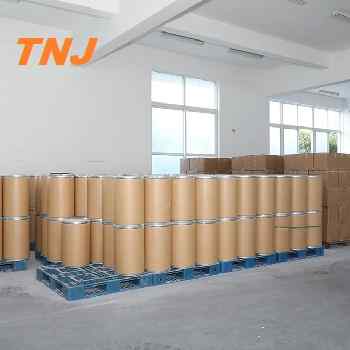
| Packaging | 25 kg bags or 500 kg drums | Standard packaging formats |
| Storage | Cool, dry place; keep container tightly closed | Shelf life guidance |
| Safety/Handling | Non-hazardous solid; avoid inhalation of dust; use PPE | General precautions |
| Regulatory notes | Comply with local chemical additive regulations; verify cosmetic/polymer guidelines | Regulatory status |
Related Products
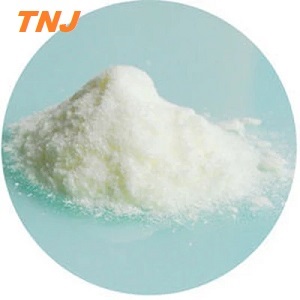

Competitive price offer of Zinc stearate CAS 557-05-1 Guarantees Peak Performance Supplies the World\u2019s Top Brands
Top Selling Products
- Related Blog
- Reviews
