Home>>
Products
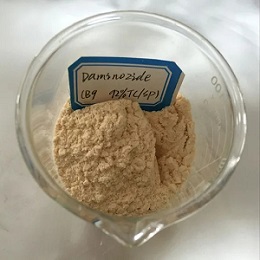
CAS 1596-84-5, Succinic acid 2,2-dimethylhydrazide, C6H11N2O3
-
CAS No.:
1596-84-5 -
Molecular Formula:
C6H11N2O3 -
Quality Standard:
92%TC 85%TC etc. -
Packing:
25kg/drum or as per request -
Mininmum Order:
25kg -
Price Update:
-
Market:
*If you want to download the TDS and MSDS(SDS) , please click here to view or download online.
CAS 1596-84-5 is for butyryl hydrazine (generic name: Daminozide, alias: Bijiu) Alar), It is an amber acid plant growth regulator with the molecular formula C ₆ H ₁ ₂ N ₂ O ∝, molecular weight 160.17, pure white crystal, melting point 154-164 ℃, easily soluble in water.
Core Information
-Chinese name: Butyl hydrazide; Common aliases: Bijiu, B9, Alar, N, N-dimethylsuccinylhydrazide acid
-English name: Daminozide; Chemical formula: C ₆ H ₁ ₂ N ₂ O ∝; Molecular weight: 160.17
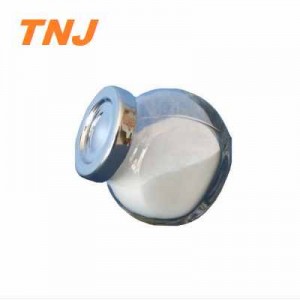
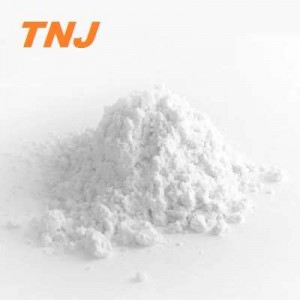
-Physical properties: White crystals or powder, with a slight amine odor; Melting point 154-164 ℃; At 25 ℃, the water solubility is about 100 g/L, and it is insoluble in lower fatty hydrocarbons
-Category and use: Plant growth inhibitor (regulator), used for dwarfing plants, controlling excessive growth, preventing fruit drop, promoting fruit setting, enhancing stress resistance, and preserving some fruits and vegetables (such as apples, chrysanthemums, and peanuts)
-Mechanism of action: Inhibits endogenous gibberellin and auxin synthesis/transport, blocks cell division and elongation, shortens internodes, thickens leaves
-Safety and regulations: low toxicity (oral LD ₅₀ ≈ 8400 mg/kg in rats); Due to the potential carcinogenic risk of the hydrolysis product dimethylhydrazine (IARC Class B2), the United States has banned all food uses; China revokes its registration on peanuts and strictly prohibits their use on peanuts, currently limited to non edible scenes such as ornamental plants.
Precautions
-Easy to decompose when exposed to acid, slow to decompose when exposed to alkali; Not suitable for mixing with copper agents (such as Bordeaux mixture), strong acids and bases
-Strict safety intervals are required before harvesting, and crops near harvest are prohibited from use; It is generally not recommended to use it on vegetables
-Storage requires ventilation, low temperature, and dryness, and should be kept away from food ingredients and oxidants
This substance has been widely used since the 1960s, but has been greatly restricted due to health controversies. It is now mostly used as a research reagent or ornamental horticultural regulator.
Send your message to this supplier
Products :
CAS 1596-84-5, Succinic acid 2,2-dimethylhydrazide, C6H11N2O3Write your message here and send it to us